Server Comparisons
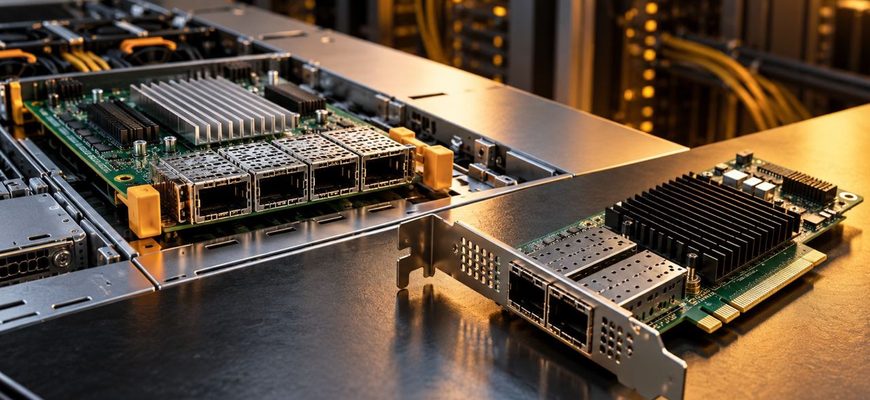
OCP NIC 3.0 and conventional PCIe network cards can deliver the same Ethernet speeds, use the same controller families, and expose similar offload features.
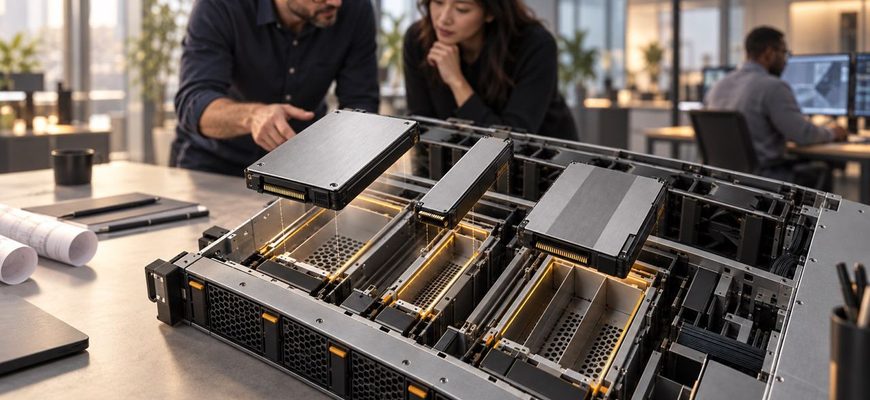
Choosing between U.2, E1.S, and E3.S NVMe SSDs is a server architecture decision, not a cosmetic choice. The form factor determines which chassis you can
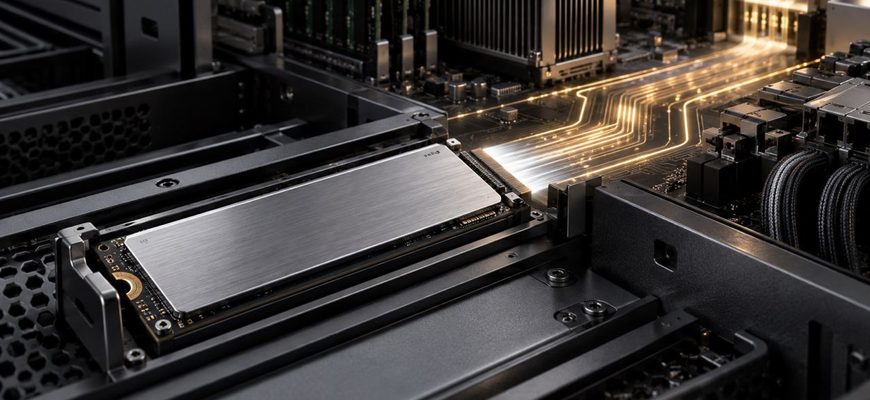
PCIe 5.0 NVMe SSDs can deliver substantially more throughput than PCIe 4.0 drives, but interface speed alone does not make them the right choice for every server.
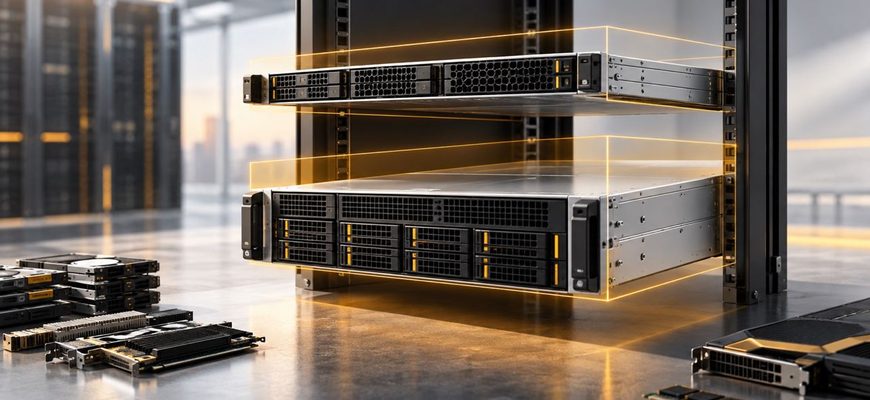
Choosing between a 1U and 2U server looks like a question of rack space. In practice, it is a question of where you want the system’
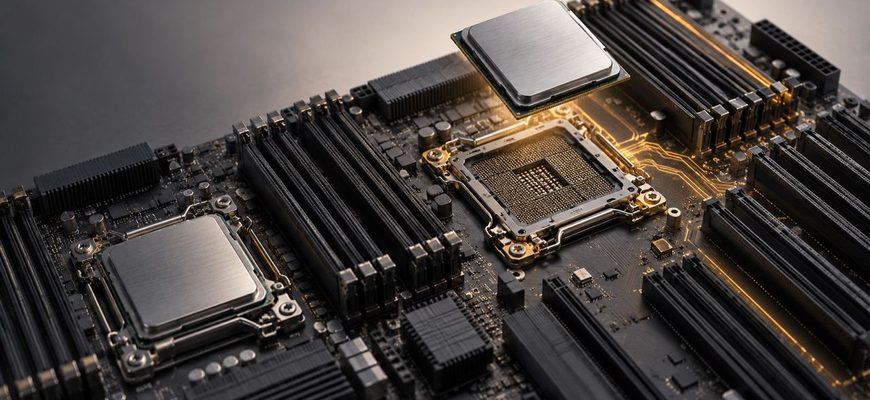
A second processor is worth buying when a workload has a measured requirement for more cores, memory bandwidth, memory capacity, or PCIe connectivity than
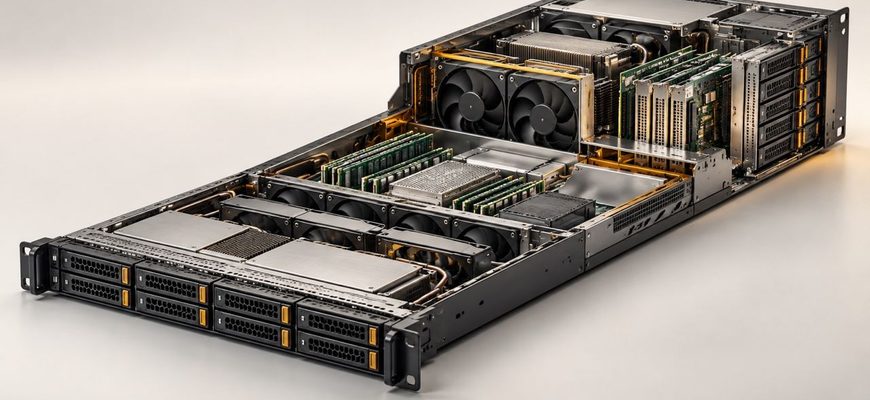
A 1U server is the default choice when rack space is scarce and the required configuration fits comfortably inside a compact chassis. A 2U server is usually
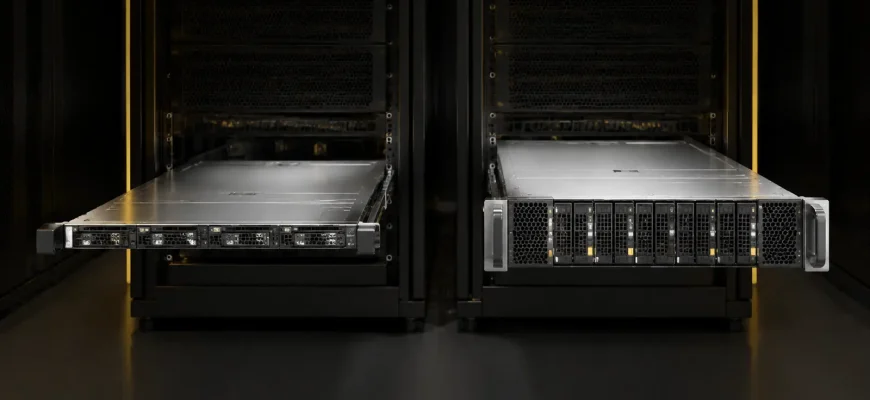
1U maximizes rack density; 2U buys thermal headroom and expansion. The right choice depends on what constrains your deployment first.
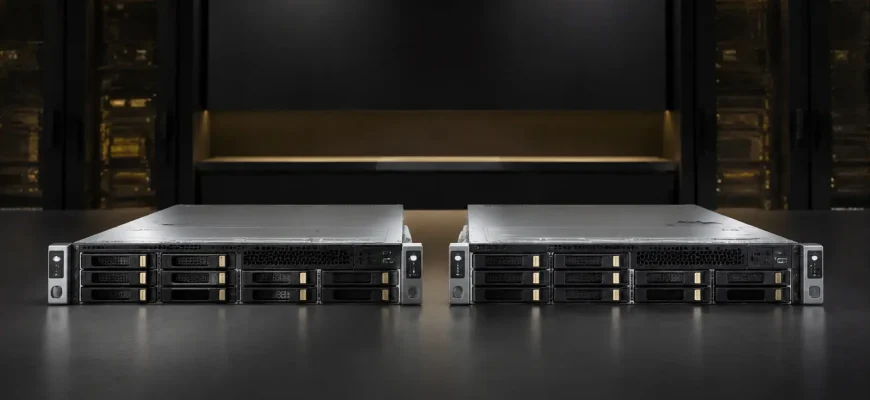
Refurbished hardware can reduce acquisition cost sharply, but purchase price is only one line in a five-year ownership model.
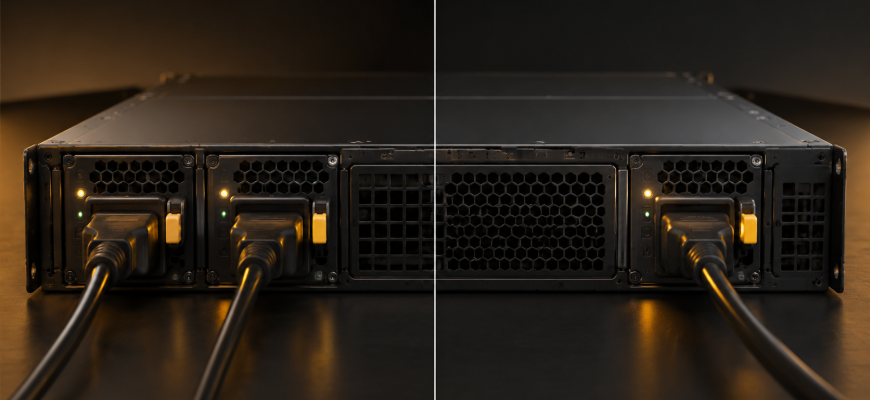
A second PSU protects against a power-supply failure only when the rest of the power path is designed correctly.
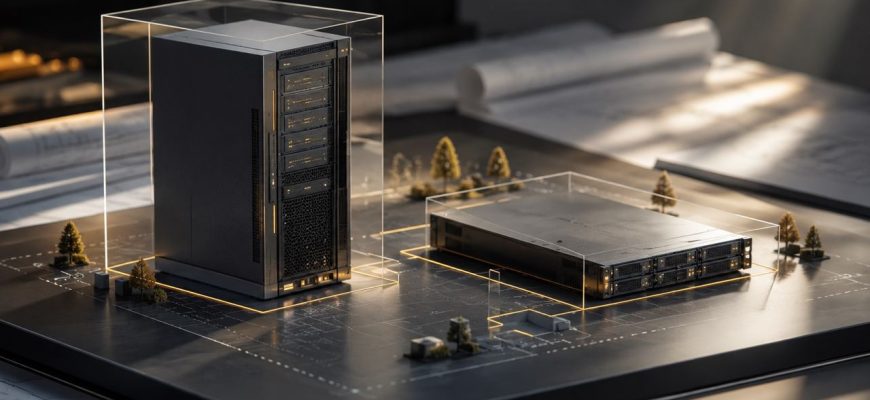
Rack servers and tower servers can use the same CPUs, RAM and storage, but they suit very different environments. The real decision is not which chassis